Buyers
What Should You Know Before Buying Real Estate in San Francisco?
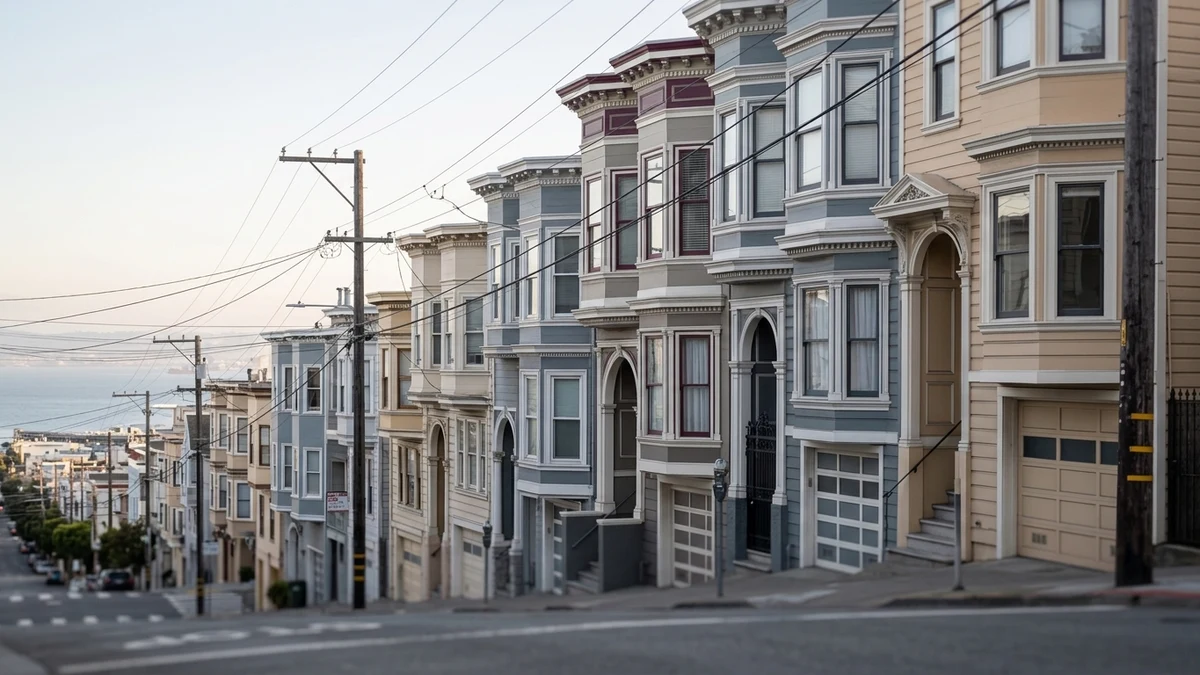
A starting framework for budget, neighborhood, property type, building, ownership structure, professional team, and decision timing.
On this page
Know Your Budget, in Full
Start with a pre-approval from your lender. Homes in San Francisco sell quickly, so be prepared.
Before you look at a single listing, get a clear, current sense of what you can actually afford, not just the purchase price but the full monthly picture. Homes in San Francisco often sell over list price.
That means principal and interest, but also property tax, insurance, and, depending on the property type, an HOA fee.
A lender can walk you through this in detail. The point here is simply to do it before you start touring, not after you've already fallen for a specific property.
Decide Which Property Types You're Open To
San Francisco offers single-family homes, condominiums, TIC interests, and small multifamily properties, and each comes with different ownership, financing, and maintenance questions.
- A lender, for financing questions specific to the property type you're considering
- An inspector or engineer, for the physical condition of the unit and building
- An insurance professional, for coverage questions specific to condos, TICs, or multifamily properties
Use Neighborhoods as Search Areas, Not Labels
You don't need to rule anything out yet, but you should understand that these categories aren't interchangeable once you get into financing and documents.
- A broker who can help you organize all of the above into one coherent search
- A tax advisor, if ownership structure or investment questions apply to you
- A trusted contact for a second opinion when a decision feels rushed
- A title company, once you're further along in a specific transaction
- Your own realistic timeline for how quickly you actually need to move
Look at the Building, Not Just the Unit
If shared walls or a homeowners association make you uneasy, that's worth knowing early, even if it means a higher price for a single-family home.
If price matters more to you than avoiding shared governance, a condo or TIC may open up options a single-family search wouldn't.
The Marina District, SoMa, Noe Valley, Russian Hill, Potrero Hill, and the Richmond District each contain different housing patterns and micro-locations within them.
Separate What You Need From What You Want
Compare specific blocks and properties against your actual daily life rather than a neighborhood's general reputation. Spend time in a neighborhood you are considering: have lunch or dinner there and walk around.
Test real travel times at the hours you'd actually be traveling, since San Francisco's hills and transit patterns can make similar distances feel very different day to day.
You don't need to become an expert in San Francisco real estate overnight. You need a clear framework and someone willing to explain the next decision before you have to make it.
Build Your Professional Team Early
For any attached property, ask what building and association documents are available before you get attached to a specific listing.
Reserve studies, recent financial statements, and meeting minutes tell you more about a building's health than the finishes in any one unit.
Give the Process the Time It Actually Needs
An older building isn't automatically a problem. It's a building you need to understand as carefully as the home or unit itself.
Keep two lists as you search: requirements that would genuinely change your decision, and preferences you'd trade for the right price, location, or layout.
Keeping them separate helps you judge a real property on its actual fit rather than reacting to how it feels after a long day of showings.
This article is educational and does not constitute legal, financial, or tax advice. Verify current details with the appropriate professional or local authority before making a decision.

Written by